
 United Kingdom
 China
China
 India
India
 Indonesia
 Japan
Japan
 Malaysia
 Middle East
 Singapore
 Thailand
 Turkey
The first half of 2026 saw the outbreak of war between the US and Iran, sending shockwaves through global markets. It also pushed energy costs higher and kept inflation above the Bank of England's target. Against that backdrop, it would have been reasonable to expect UK property buyers and sellers to pull back.
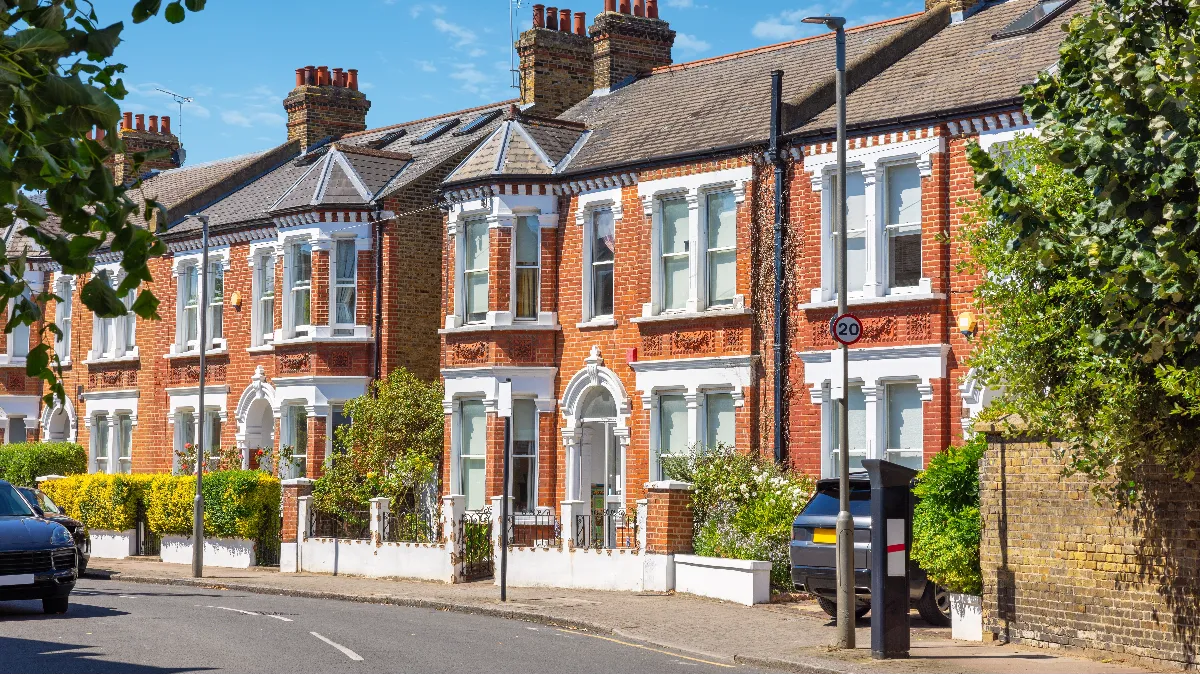
Yet the market told a different story. London property never really lost its footing. Buyers adjusted, sellers stayed active and the market kept moving, even as global uncertainty intensified.
A market that started strong
Rightmove recorded a 2.8% jump in average asking prices in January. This is the steepest rise on record and the strongest monthly gain since June 2015. The jump was not driven by sudden optimism alone. It reflected buyers and sellers finally moving ahead after months of waiting for clarity around the Autumn Budget.
The uncertainty around property taxation that had clouded the Autumn Budget had finally lifted and confidence flowed straight back into the market. Buyer demand climbed 57% in the fortnight after Christmas and new listings rose 81% over the same period.
Price growth eased in February, but there was little sign that buyers had stepped away. The underlying picture remained encouraging. Supply hit an 11-year high, mortgage rates dipped below 4% (for the first time in years) and average earnings were running 4.7% ahead of the previous year. For some first-time buyers, Zoopla found that buying with a mortgage had actually become cheaper.
By March and again in April, the market settled into a steadier rhythm. As spring unfolded, asking prices edged up by 0.8% in both March and April. Nothing dramatic. Just steady movement in a market that was finding its rhythm again. This is after the conflict in West Asia began pushing energy costs and mortgage rates upward. May felt different. The market was still moving, but buyers had more choice and sellers had to price more carefully. Even so, asking prices climbed 1.2% to £378,304, marking the strongest May increase in a decade.
Supply held firm, with a third of listings still with a price reduction. However, homes priced correctly from the outset sold in just 36 days against 127 for those that needed a cut. By June, the pace naturally eased. Asking prices slipped by 0.6%, the biggest June fall in 14 years. An early summer heatwave and the World Cup distracted buyers for a while, but neither appeared to change the wider direction of the market. Asking prices were down 0.6% to £376,191. Factors like an unseasonal heatwave and World Cup took the edge off summer momentum.
London: A market still in demand
The capital opened the year at £679,782 in January. It dipped slightly through the spring and closed the half at £680,147. By April, the average London home cost nearly 82% more than the national average of £373,971. Different parts of London told slightly different stories as the months went by.
January's strongest gains came from Westminster (+3.4%) and Hillingdon (+2.4%). The gains were spread across both prime central London and well-connected outer boroughs, showing that demand was not limited to one part of the capital.
By April, the leaderboard looked quite different. Kensington & Chelsea recorded the best monthly performance at 3.1%. They were followed by Harrow and Richmond upon Thames at 2.3% each.
Mortgage rates

Ask anyone buying a home this year what mattered most and the answer would probably be mortgage rates. The average two-year fixed mortgage rate began the year at 4.28% in February. It eased marginally to 4.24% by March, then climbed steadily as the Iran conflict disrupted energy markets. The figure rose to 4.51% in March and 5.42% by April, adding roughly £235 a month to the average new mortgage instalment.
The Bank of England held its base rate at 3.75% throughout this period, even as inflation rose. Even so, buyers were not without support. Rising wages helped soften some of the impact of higher borrowing costs. Wage growth ran ahead of house price growth for most of the half. It stood at 4.7% year-on-year in February before easing to 3.9% by April, giving buyers more borrowing capacity. A revised Loan-to-Income cap introduced the previous year also created extra room to borrow.
Supply catching up in the rental market
UK rents climbed by 3.5% in the year to February, then eased slightly to 3.4% by March. London lagged behind in rental inflation, often running below 2%. The supply side shifted meaningfully. By Q1, Zoopla reported 11% more homes available to rent than a year earlier. While demand had fallen to its lowest level in six years, enquiries per property dropped from 6.5 to 4.8. The average time to let a property also stretched from 18 to 20 days.
London's prime postcodes saw an even sharper supply increase of 36.6% according to LonRes. This explains why rents in the capital (still nearly 66% above the national average) at £2,280 grew at a slower pace than the rest of the country.
What does this mean for our investors?

The first half of 2026 reinforces a pattern we have seen through previous periods of global uncertainty. It is clear that UK and London property tend to absorb shocks rather than be derailed by them. Wage growth has outpaced price growth for most of the year, supply reached multi-year highs. For investors weighing entry points heading into the second half of the year, the combination of a wide stock of available homes, improving affordability metrics and continued strength in prime central boroughs suggests the market remains well worth close attention.
Benham and Reeves Taiwan continues to bring new London opportunities to our local investor community. This includes the recent showcase of TwelveTrees Park. If you’d like tailored guidance on how these trends translate into investment opportunities, contact the Taiwan Desk today.