
 United Kingdom
 China
China
 India
India
 Indonesia
 Japan
Japan
 Malaysia
 Middle East
 Singapore
 Thailand
 Turkey
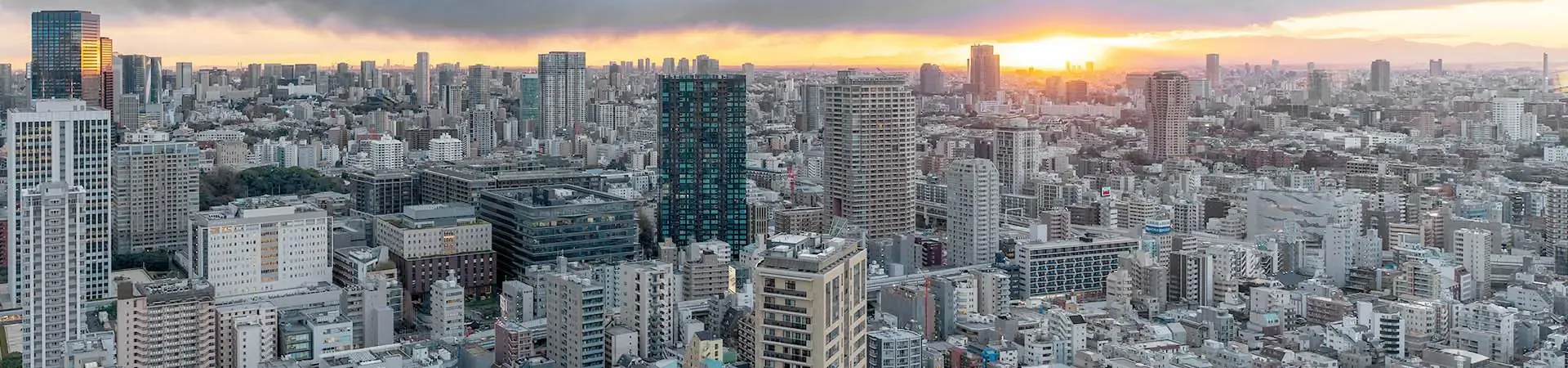
Japan property investment · 2026
Tokyo, Osaka and Hokkaido: Three markets worth your attention
The yen is near historic lows. For buyers converting from stronger currencies, that is a direct reduction in effective entry cost; a low-basis position that is worth locking in before the gap closes.
Rental yields in prime Japanese areas consistently outrun comparable markets across Asia, generating cash flow that holds ground against inflation. Besides, investing in property in Japan has become a credible anchor for capital preservation, inflation hedging and sustained appreciation across cycles.
We work with international buyers from initial sourcing through to title transfer and management introductions; the whole process, not just the front end.
Book your exclusive 1-on-1 consultationWhy Japan?
Four reasons overseas buyers enter this market:
These are structural conditions that have driven continued cross-border interest in Japanese residential property.
-
01
The yen discount is still active
The JPY/TWD rate remains at historically low levels. For buyers converting from stronger currencies, that gap functions as a direct reduction in effective purchase cost. It narrows at some point; buyers entering now are locking in the current basis.
-
02
Japan is close, in every sense
Two and a half to four hours from Taiwan, complete with direct flight connections. Japan is a culturally familiar destination; whether you are visiting for an inspection trip or planning to use the property yourself, the logistics are manageable in a way that Europe or North America are not.
-
03
Full freehold ownership: same rights as locals
Japan places no nationality restrictions on property purchases. Foreign buyers hold 100% freehold title on both land and building; regulations are transparent and consistently applied. It is one of the cleaner ownership structures available to international buyers anywhere.
-
04
Yields that outperform the home market
Gross rental yields in Taiwan's market typically sit below 2%. Prime metropolitan areas and tourist-heavy locations in Japan offer meaningfully higher figures, enough to generate genuine passive income rather than a nominal return that inflation erodes.
Market analysis
Three cities with different investment cases
Where you buy determines what you get. Tokyo, Osaka and Hokkaido each carry a distinct investment profile.
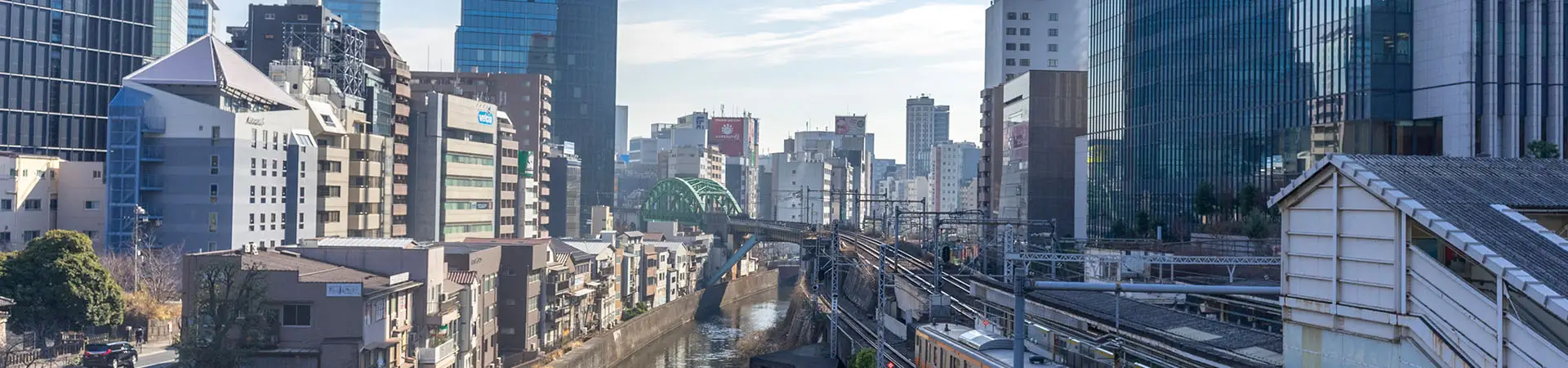
Tokyo
-
01
Capital preservation
Tokyo is one of the world's largest and most liquid real estate markets. Central locations, such as Minato, Shibuya, and Shinjuku maintain high transaction volumes and hold value through market cycles.
-
02
Entry case
A mature, internationally recognised market, high asset liquidity, resilient to short-term downturns; properties in prime central wards have a track record that most Asian markets cannot match.
-
03
Income model
Domestic and international corporate workers generate consistent long-term rental demand. This is not speculative; it is structural. Vacancy risk in prime locations is low and rent levels are stable.
Osaka
-
01
Asset growth potential
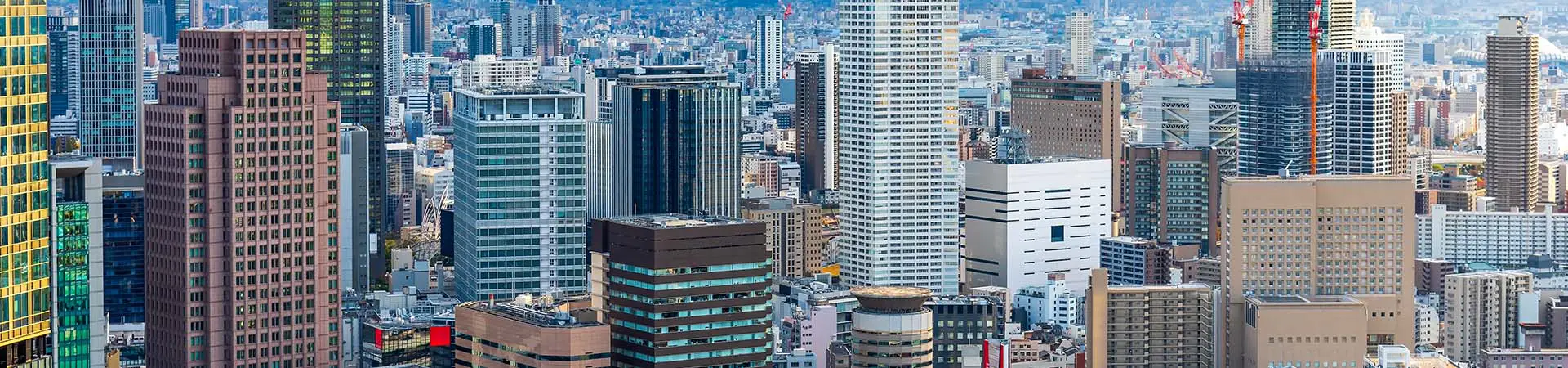
Osaka is mid-cycle in a significant infrastructure push. Japan's first integrated resort and legal casino is confirmed for Yumeshima, with a 2030 opening target. Land values in surrounding areas are already responding. The project is generating workforce migration that creates both short and long-term rental demand.
-
02
Entry case
The IR development is not fully priced in across all Osaka submarkets. Buyers willing to enter before the opening stand to benefit from the remaining price appreciation as the project gets closer to completion.
-
03
Income model
Two options: long-term rentals targeting the incoming IR workforce and service industry population or short-term lets (minpaku) capitalising on Expo and casino visitor volumes. The income profile is more aggressive than Tokyo's and so is the upside.
Hokkaido
-
01
Yield maximisation
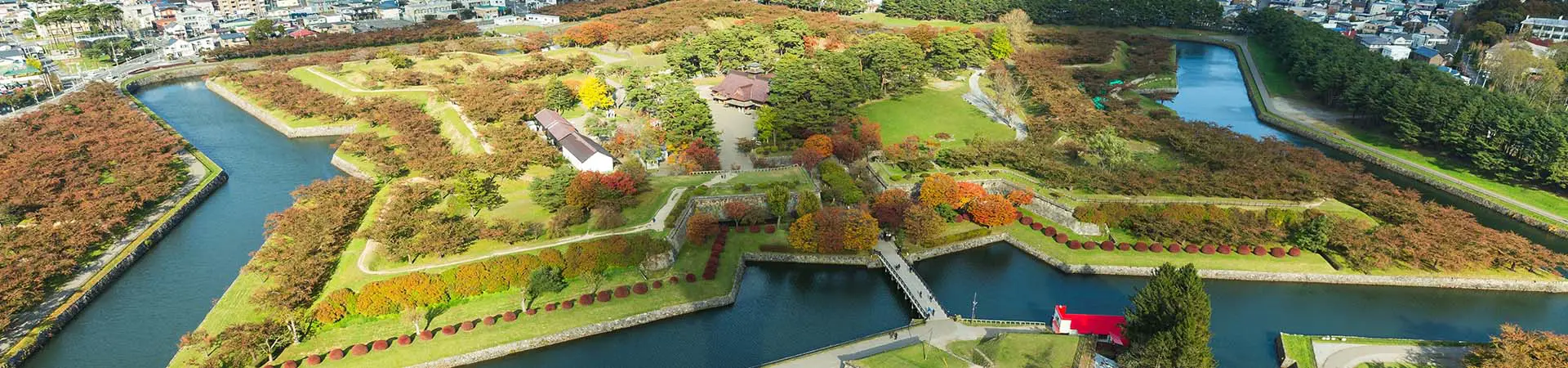
Niseko and Furano are globally recognised resort destinations. The depreciated yen has accelerated demand from European, Australian and Asian high-net-worth buyers. Luxury property stock at these price points is limited and the buyer pool is growing.
-
02
Entry case
Premium resort real estate in a supply-constrained market. Inbound demand is currency-driven in part, meaning the same yen weakness that makes entry attractive for buyers also keeps international tourist volumes high.
-
03
Income model
Seasonal short-term rentals in peak ski and summer periods generate the highest gross yields of any Japan property type. Owners can also reserve weeks for personal use. Investment and lifestyle use are not mutually exclusive here.
How we work
Buying across borders does not have to be complicated
We handle the process from the first conversation to completion and beyond, if you need ongoing management.
Initial consultation
We start by understanding what you are seeking: capital growth, rental income, a personal holiday property or some combination. Your investment plan is built around that, not the other way around.
Property matching
You get access to off-market listings alongside our curated selection of vetted properties. We assess quality, title integrity and location suitability before anything reaches you.
Completion & handover
We guide you through the title transfer. If you need leasing or property management after handover, we introduce you to reputable local agencies and licensed tax accountants (Zeirishi) in Japan to keep your asset running properly.
Frequently asked questions
What overseas buyers ask us most
These are the practical questions that come up in almost every first conversation.
Book a consultation
Talk to our team in Taiwan
Fill in your details below and we will be in touch to arrange your free consultation.
Benham & Reeves Taiwan Limited
Level 37, No. 7, Xinyi Rd, Sec 5, Xinyi Dist, Taipei city Taiwan 110