
 United Kingdom
 China
China
 India
India
 Indonesia
 Japan
Japan
 Malaysia
 Middle East
 Singapore
 Thailand
 Turkey
London has always been a city that rebuilds itself. Not dramatically, not all at once, but steadily, in pockets, on sites that most people walked past without a second thought. That is where a lot of the most interesting investment stories of the past two decades have quietly been unfolding.
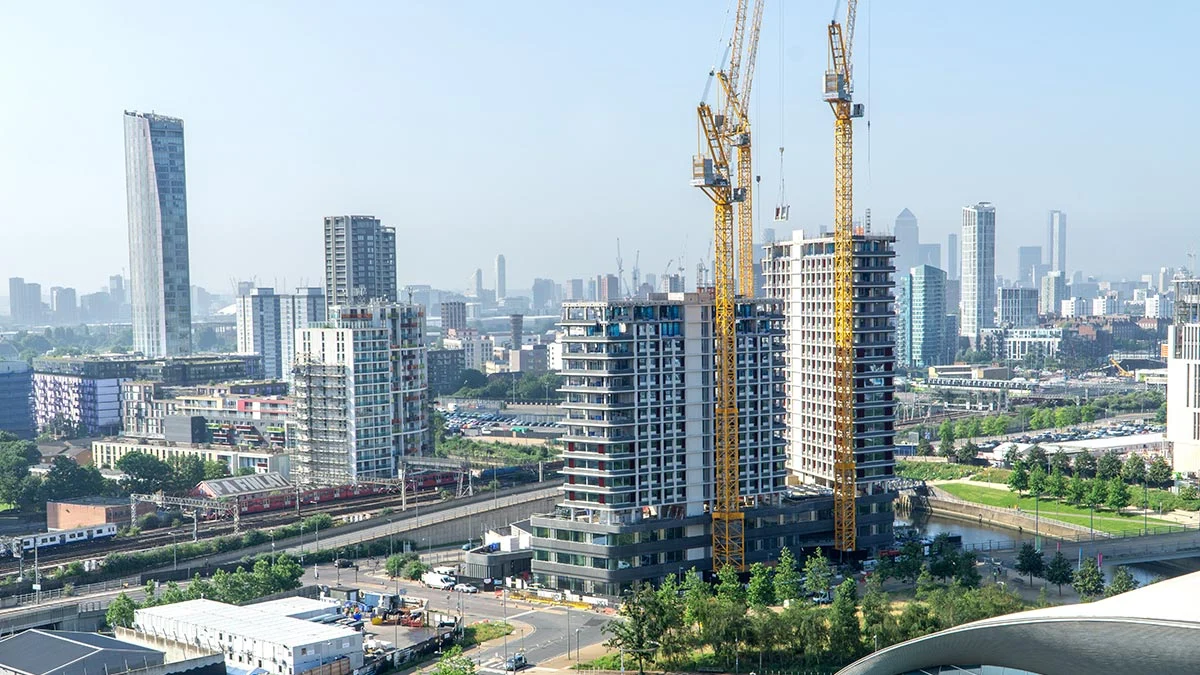
What regeneration actually means in London
The word gets used loosely, so it is worth being precise. In London's context, regeneration typically refers to the large-scale redevelopment of former industrial or underused land; former power stations, docklands, military sites, railway depots- into new residential, commercial and civic neighbourhoods. The Greater London Authority formally designates many of these as Opportunity Areas, defined as brownfield sites with capacity for at least 2,500 new homes and 5,000 new jobs.
Thirty Housing Zones across the city have, according to GLA data, attracted over £30 billion in investment. The projected output: more than 75,000 new homes and close to 150,000 jobs over the coming years. These are not small numbers.
What distinguishes a genuine regeneration project from a straightforward new-build scheme is the joined-up nature of the investment. Transport upgrades, school provision, healthcare facilities, public realm, retail; it all moves together. That is why the uplift to property values tends to be more durable than in standard new-build locations, where you are essentially buying the unit and little else changes around it.
Why have Taiwan investors historically looked at London regeneration?
There is a particular logic to regeneration investment that suits buyers who are thinking in decades rather than years, which tends to describe a large proportion of Taiwanese property investors. You are not speculating on sentiment. You are backing a physical transformation that is planned, funded, phased and when the public-private partnerships are properly structured, largely irreversible.
A study of eleven regeneration areas across London tracked price growth against surrounding neighbourhoods. Properties within the regeneration zones grew at an average compound annual growth rate 2.2% higher than those within a ten-minute walk. The strongest performers in that study were Paddington at 5.8%, Nine Elms at 3.2% and Elephant and Castle at 2.5%. Those figures reflect the period before the regeneration was fully complete. Getting in earlier tends to produce a stronger result.
There is also the rental side. London's housing supply deficit is structural and well-documented. Regeneration areas draw in working professionals specifically because the transport links are being upgraded, the amenities are new and the overall proposition is more attractive than older stock nearby. That combination tends to compress vacancy rates and support yields.
The areas worth knowing
Some of the most active regeneration zones right now:
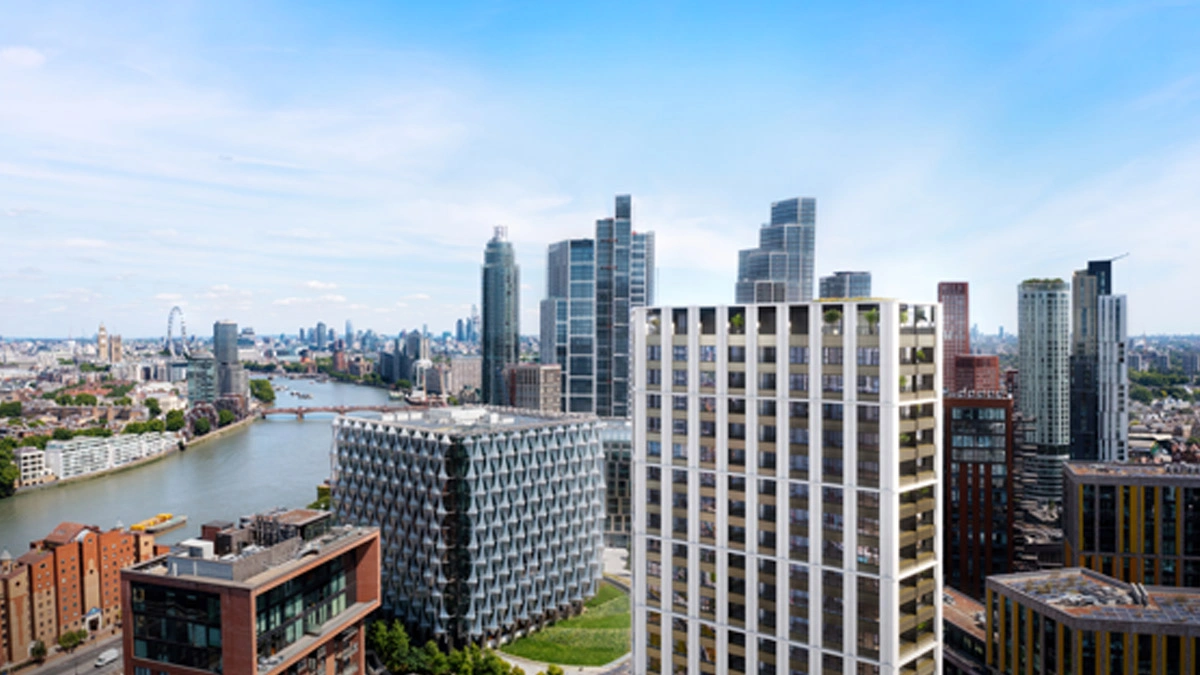
Nine Elms and Battersea: The stretch between Lambeth Bridge and Battersea Power Station is London's most high-profile Zone 1 regeneration. Over 500 acres, more than 20,000 new homes and the extended Northern Line now serving the area directly. Benham and Reeves has an on-site presence at Nine Elms Point and our team works with buyers and landlords across Battersea Power Station, DAMAC Tower, One Thames City and London Square Nine Elms.
Old Oak Common and Park Royal: The UK's largest single regeneration project is currently underway. Over 25,000 new homes planned, with more than 65,000 jobs projected. The arrival of HS2 and Elizabeth Line interchange at Old Oak will reposition this part of west London significantly.
Royal Arsenal, Woolwich: A former munitions site turned riverside neighbourhood. Benham and Reeves has an on-site branch at Royal Arsenal Riverside, where our team has been managing lettings for clients who came in ahead of the Elizabeth Line opening. That timing made a difference.
The Green Quarter, Southall: An 88-acre masterplan by Berkeley. Our on-site agents report an average of over 35 enquiries per available unit. Tenant demand at this development has been consistently strong.
Beaufort Park, Colindale: St George's transformation of the former RAF Hendon site. Benham and Reeves was the first agent to open an on-site branch here and we have a long track record of letting units for overseas landlords at strong yields.
Brent Cross and Cricklewood: Close to £8 billion of investment across these neighbouring areas, with nearly 10,000 homes and 25,000 jobs in the development pipeline.
Others worth watching: Canada Water, Greenwich Peninsula, Thamesmead and Abbey Wood and the areas around White City.
What to look for before you commit
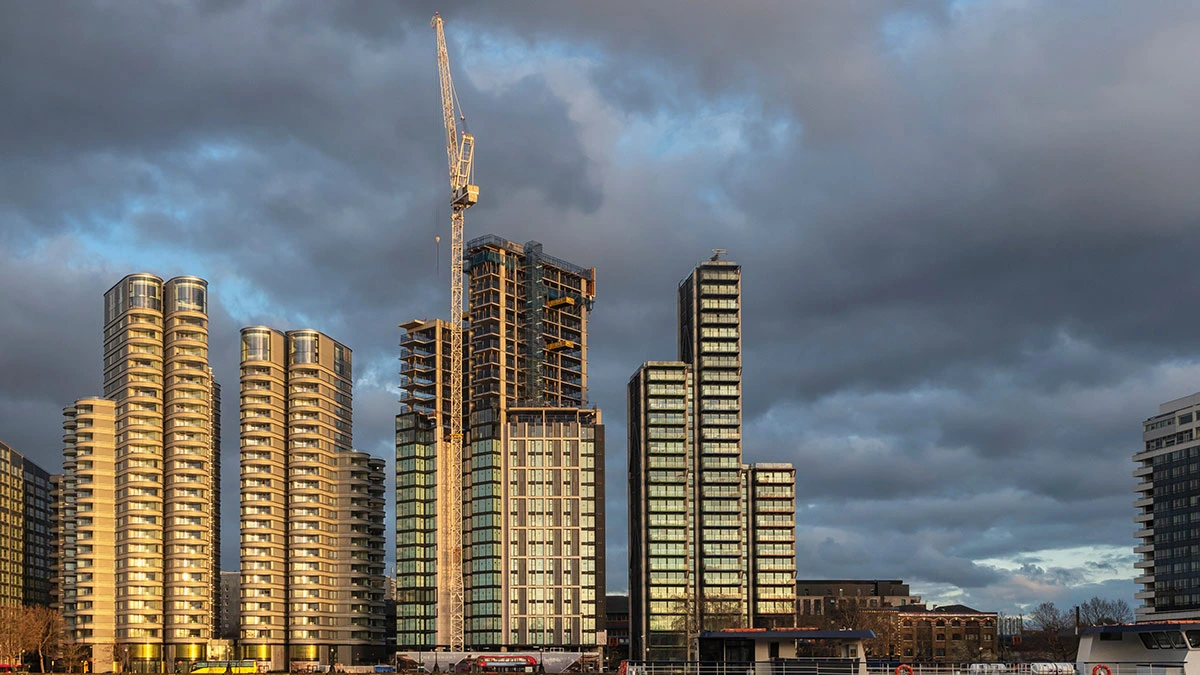
Regeneration investment is not without its complications. Timelines slip. Oversupply can be a genuine risk in areas where multiple developers are active simultaneously. Some locations carry a built-in premium at launch that limits the near-term upside. These are real factors and worth considering honestly.
That said, the fundamentals that make a regeneration project compelling are not difficult to identify: credible developers with track records in London, firm planning approvals, confirmed or already-delivered transport infrastructure and genuine demand drivers beyond speculation. The earlier in that cycle you can invest, the more of the value journey you capture. The later you come in, the more you pay for what others have already seen.
Working with Benham and Reeves from Taiwan
Benham and Reeves has been operating in London for over 65 years and we have worked with Taiwanese buyers and investors for a significant part of that time. Our Taiwan desk exists precisely to make this process workable across the distance; from identifying the right development and securing units with developers early, through to full lettings management once you complete.
If you are considering London regeneration property and want to understand which areas and schemes make sense given where values currently sit, our Taiwan team is the right place to start. We know these projects from the inside; in several cases, we have on-site branches within the developments themselves.
Get in touch with the Benham and Reeves Taiwan team.