
 United Kingdom
 China
China
 India
India
 Indonesia
 Japan
Japan
 Malaysia
 Middle East
 Singapore
 Thailand
 Turkey
Taiwanese investors tend to think carefully before they invest capital anywhere and that discipline shows in how their portfolios are built. Domestic property, equities and gold still form most of them. But something has changed recently. Spreading exposure across markets and currencies used to be the exception: now it's closer to standard practice among investors planning for their children's generation. London keeps topping this list, earning this position over several decades.
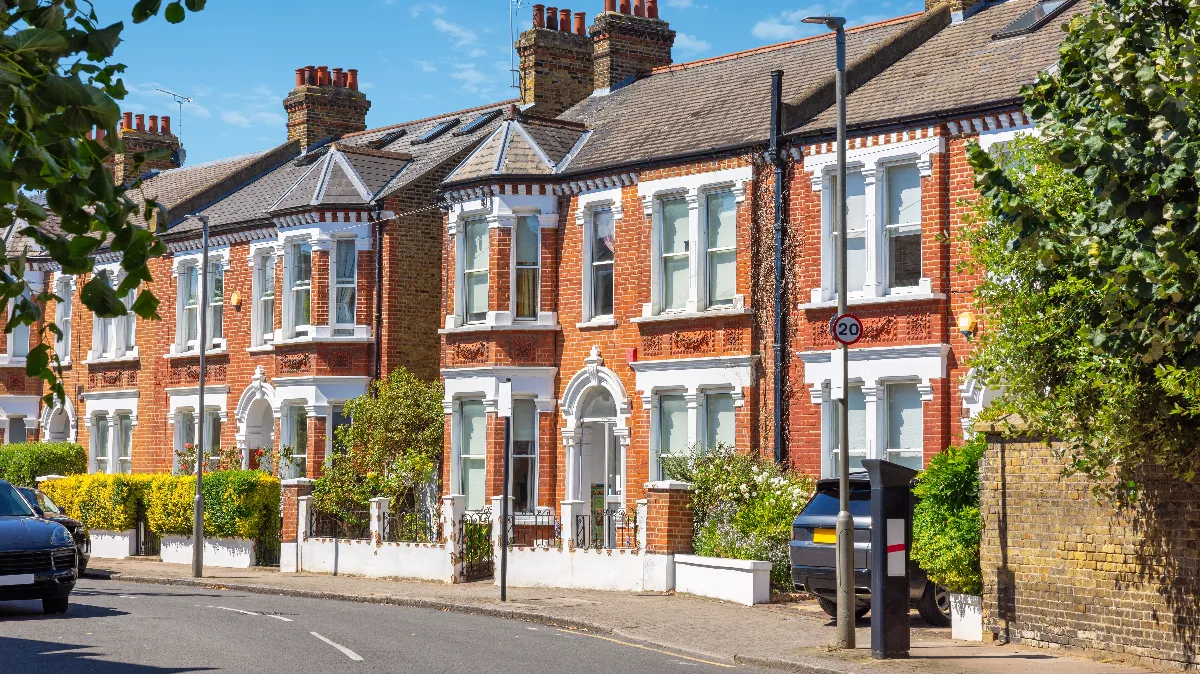
What makes London different
Property laws in the UK have been tested and refined over a long period. Pricing history, ownership records, transaction data- all this information sits in the public domain. It is available to anyone who wants to check it. Freehold and leasehold are clearly separated and both have their own protections. If you are not physically present to manage your asset, which most investors aren’t, this legal clarity is where the decision rests. And London’s position as a financial centre keeps demand high on both sides, buyers and tenants. Not many other cities can replicate this.
Consistent growth built on fundamentals
London's property price growth has been structural and NOT cyclical. Housing supply has lagged behind population for years. Overseas inflows have only further added to the gap. In most pockets of the city, demand outpaces what's available.
Regeneration areas have led to fresh capital growth. Nine Elms and Battersea have gained from the Northern Line extension, while other regeneration corridors have benefited from the Elizabeth Line. London market has experienced many corrections, especially around Brexit and recovered each time. For an investor thinking in decades rather than years, that recovery pattern matters more than any single growth figure.
Rental demand from multiple tenant types

The tenant base in London is not dependent on one profile type. It comes from different sectors, including finance, technology and healthcare, that consistently draw skilled professionals. The universities add another steady stream.
Corporate relocations and general mobility also bring in international tenants who expect accommodation that's actually managed well, not just rented out. BTR (Build-to-Rent) has raised the bar with the level of professionalism it didn't always have. Buy-to-let works for investors who prefer a hands-on, structured income position.
Rental yields vary by location, as outer London and regeneration areas often deliver stronger returns.
Portfolio diversification
A Sterling-dominated asset offers diversification and spreads risk outside a single currency. For investors whose wealth is substantially held in New Taiwan Dollar-denominated assets, exposure to a different currency is long-term wealth preservation. A different regulatory and economic environment is an additional advantage.
London vs. other options
Singapore stands as a serious contender for international capital. However, the stamp duty surcharges on foreign buyers have gotten steep. Once you factor this against the yield you are actually getting, the entry cost doesn't look as attractive as it used to. Hong Kong has faced a different set of pressures. The political and economic backdrop there has introduced uncertainty that many investors can't plan around comfortably.
London, in contrast, offers open access for buyers who prefer clear ownership protections and a consistent regulatory environment.
The step-by-step property buying process

The acquisition process in the UK is fairly simple and structured: reservation, exchange of contracts and completion. Solicitors manage legal due diligence at every stage. Financing options are available to non-resident buyers, though deposit requirements and lending terms differ from domestic mortgage products. It is ideal to obtain tax and legal advice early in the process.
Ongoing, timely property management is the aspect of overseas ownership that most investors underestimate. Benham and Reeves Taiwan works with investors through the initial market selection stage to post-purchase management. We ensure the distance between Taipei and London doesn't turn into a logistical headache.
FAQs
Why is London property considered a good investment?
Legal certainty, a transparent market and capital growth that's held up over the long run. These are the factors making London a leading property investment market. Along with this, a global tenant base that keeps this market’s demand consistent.
Can Taiwanese citizens buy property in London?
Foreign buyers face no ownership restrictions in the UK, Taiwanese investors included. The buying process is the same one any overseas buyer would go through.
What rental yields can investors expect in London?
It depends on where and what you are buying. Outer London and regeneration zones offer better returns than prime central postcodes. However, in central areas, the return is usually driven more by capital appreciation.
Which London areas offer the best investment opportunities?
Canary Wharf, Stratford and White City have drawn strong investor attention. Towns on the Elizabeth Line corridor such as Watford and Hayes are also in high demand. The common thread is regeneration paired with better connectivity.
Is London property a good hedge against economic uncertainty?
Yes, its performance through many economic cycles suggests a degree of resilience that longer-term investors have found reassuring.
Are new-build properties better for overseas investors?
They are often a more practical choice, with fewer initial maintenance requirements and the option to buy off-plan with payments spread out in phases. Benham and Reeves Taiwan can help assess whether new-build or resale stock better fits your investment objectives.